

Articles
Choosing the Right Air Filter: HEPA, ULPA and Advanced Filters

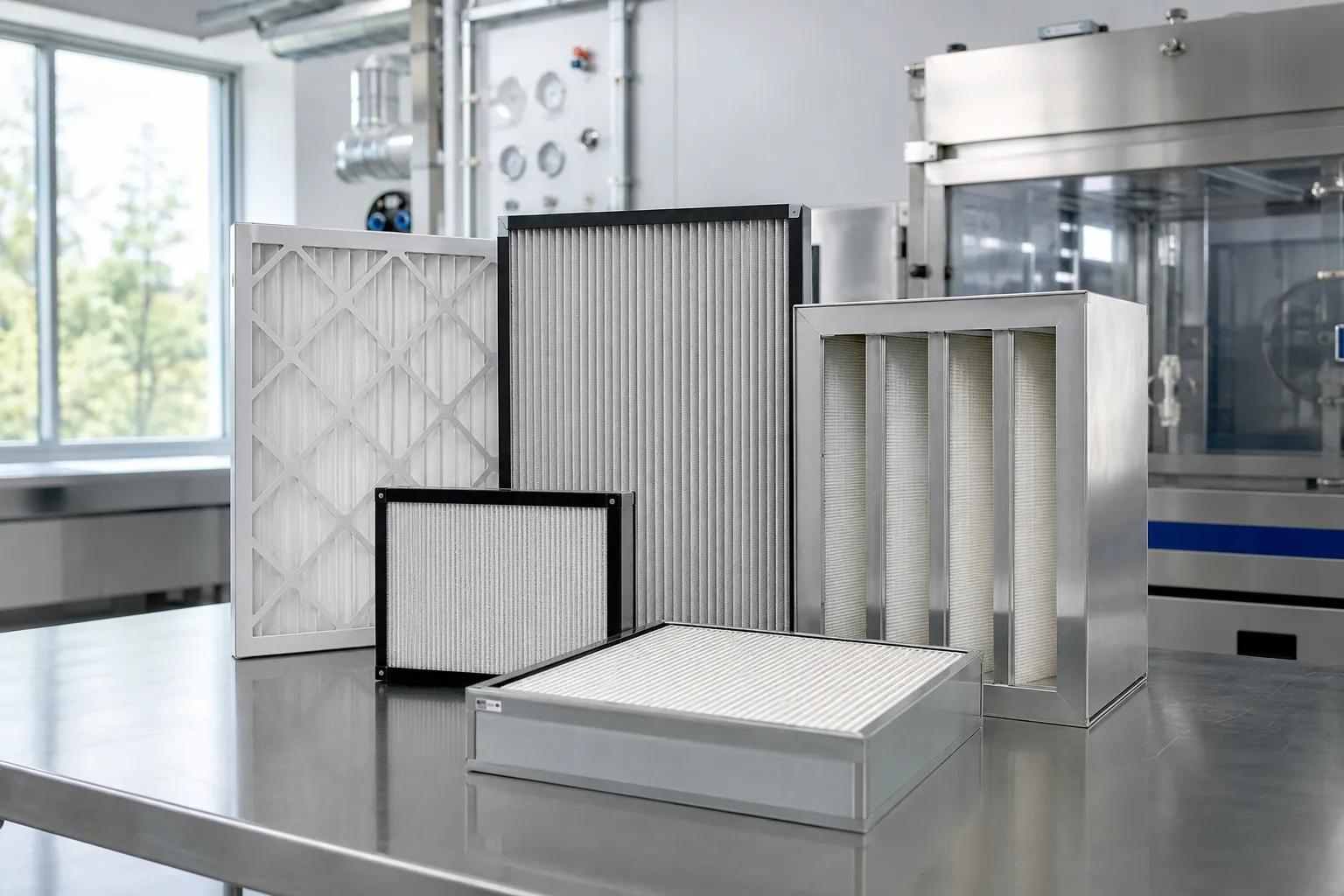
Choosing the right air filter is not about buying the most expensive filter on the shelf. It is about matching the filter to the particles, gases, room conditions, airflow limits, and risk level of the space. A home, a school, a hospital isolation area, and a pharmaceutical cleanroom do not need the same air filtration system. HEPA, ULPA, MERV-rated filters, activated carbon, electrostatic media, and advanced hybrid filters all solve different problems—and the wrong choice can reduce airflow, waste energy, or create a false sense of protection.
| Quick Summary | What It Means |
|---|---|
| Main topic | How to choose the correct air filter for real indoor air quality needs |
| Best general HVAC upgrade | MERV 13 or better, when compatible with the system |
| Best for fine particles | HEPA filters |
| Best for ultra-sensitive environments | ULPA filters |
| Best for odors and gases | Activated carbon or chemical filtration |
| Biggest mistake | Choosing filter efficiency without checking airflow and pressure drop |
| Key decision factors | Particle size, contaminant type, room use, HVAC capacity, maintenance schedule |
Why Air Filter Selection Matters
Indoor air quality depends on more than temperature and comfort. Air can carry dust, pollen, mold spores, smoke particles, fine particulate matter, bacteria, aerosolized droplets, volatile organic compounds, and process-related contaminants. A good particulate air filter reduces airborne particles before they circulate through occupied spaces or sensitive equipment.
The EPA explains the basic mechanism clearly: “Mechanical air filters remove particles by capturing them on filter materials.” HEPA filters fall into this mechanical filtration category, which is why they are widely used where particle control is critical.
But filtration is never isolated from system design. A filter that captures more particles usually creates more resistance to airflow. If the fan, ductwork, and filter rack are not designed for that resistance, the system may deliver less air, run noisier, consume more energy, or fail to meet ventilation targets.
That is why the real question is not “Which filter is strongest?” but “Which filter gives the right level of protection without damaging system performance?”
HEPA Filters: High Efficiency for Fine Particles
HEPA stands for High Efficiency Particulate Air. In practical terms, HEPA filters are designed for very high particle capture and are commonly used in healthcare, laboratories, clean manufacturing, and high-performance portable air cleaners.
A common reference point for HEPA filter efficiency is 99.97% removal of particles at 0.3 microns. This size is often discussed because it is close to the most challenging range for many mechanical filters, although actual performance can vary by standard, test method, filter class, installation quality, and airflow conditions.
HEPA filters are valuable because they capture a wide range of fine particles, including smoke, allergens, dust, biological particles attached to aerosols, and many types of fine particulate pollution. They are especially useful when outdoor air quality is poor, during wildfire smoke events, or in rooms occupied by people with respiratory sensitivity.
The EPA notes that using a portable air cleaner or upgrading the filter in a furnace or central HVAC system can help improve indoor air quality, while also emphasizing that source control and clean ventilation remain important.
Where HEPA Makes Sense
HEPA is usually a strong fit for:
- Portable air cleaners in bedrooms, clinics, classrooms, and offices
- Healthcare spaces that need high-efficiency particle removal
- Laboratories and diagnostic areas
- Pharmaceutical support spaces
- Rooms affected by smoke, allergens, or fine dust
- Local filtration units where central HVAC cannot be upgraded enough
HEPA is not always the best direct replacement for a standard HVAC filter. Many residential or commercial HVAC systems are not built to handle HEPA-level resistance in the main duct system unless the system was designed for it. In those cases, a well-selected MERV filter plus a portable HEPA unit may perform better than forcing an incompatible central upgrade.
ULPA Filters: When “Very Clean” Is Not Clean Enough
ULPA stands for Ultra-Low Penetration Air and ULPA filters are more efficient than typical HEPA filters and are used in environments where very small particles can cause contamination, defects, infection risk, or production failure.
Its efficiency is most relevant in industries such as semiconductor manufacturing, biotechnology, pharmaceutical production, aerospace, and advanced research. These filters are often part of cleanroom air filters used in controlled environments where the number of airborne particles must remain extremely low.
ISO 29463 is one of the important standards used for high-efficiency filters. It covers EPA, HEPA, and ULPA filter groups and is based on EN 1822 concepts, including classification around the most penetrating particle size.
The key point: ULPA is not simply “better HEPA” for every building. ULPA filters require careful engineering. They create higher pressure drop, need proper sealing, and often require specialized housings, fan capacity, testing, and maintenance. In an ordinary office or home, ULPA may add cost and airflow restriction without delivering a meaningful benefit over HEPA or an appropriate MERV-rated filter.
Understanding MERV Rating
MERV stands for Minimum Efficiency Reporting Value. It is commonly used for HVAC filters, especially in commercial and residential systems. A higher MERV rating generally means the filter captures smaller particles more effectively, but it may also increase airflow resistance.
CDC/NIOSH guidance recommends upgrading central HVAC filter efficiency to MERV 13 or better when compatible with the HVAC system. As CDC states:
“Upgrade central HVAC filter efficiency to a Minimum Efficiency Reporting Value (MERV)-13 or better.”
That phrase “when compatible” matters. A MERV 13 filter can be a strong choice for schools, offices, healthcare support areas, and many public buildings, but the system must be checked for airflow, fan capacity, filter fit, and pressure drop.
MERV, HEPA, and ULPA Compared
| Filter Type | Typical Role | Strength | Limitation |
|---|---|---|---|
| MERV 8–11 | Basic to medium HVAC filtration | Good for dust, lint, some pollen | Limited fine particle capture |
| MERV 13–16 | Enhanced HVAC filtration | Better for fine particles and aerosols | Must confirm system compatibility |
| HEPA | High efficiency air filters | Excellent fine particle removal | Often too restrictive for standard HVAC |
| ULPA | Ultra-sensitive contamination control | Extremely high particle capture | High cost, high pressure drop, specialized use |
| Activated carbon | Gas and odor control | Helps with VOCs and smells | Does not replace particle filtration |
Advanced Filters: Beyond HEPA and ULPA
Modern filtration is moving beyond one-layer particle capture. Emerging HVAC Trends show a shift toward combined systems that address particles, gases, energy efficiency, sensors, and adaptive controls together.
Activated Carbon Filters
Activated carbon is used for odors, gases, and some volatile organic compounds. It works through adsorption, not mechanical particle capture. This makes it useful in spaces affected by cooking odors, chemical smells, smoke odor, or process-related gases.
Carbon filters should not be treated as a substitute for HEPA, ULPA, or MERV-rated particulate filtration. They solve a different problem. The strongest systems often combine particulate filtration with carbon or other gas-phase media.
Electrostatic Filters
Electrostatic filters use charged media or electrically charged particles to improve capture. Some are washable, some are disposable, and some are part of electronic air cleaners. Their performance can vary widely, so buyers should check independent test data rather than relying on marketing language.
One caution: some electronic air cleaning technologies may produce ozone. In occupied spaces, ozone-generating devices should be treated carefully because ozone itself can irritate the respiratory system.
Hybrid and Smart Filtration Systems
Advanced air filtration systems may include particle sensors, variable-speed fans, pressure monitoring, filter-life tracking, and building automation integration. In large buildings, these features help facility teams balance indoor air quality with energy use.
Smart controls are especially important in Extreme Climate HVAC design. In very hot, cold, humid, dry, dusty, or smoke-prone regions, filtration must work with outdoor air strategy, humidity control, economizer operation, and energy recovery. A filter alone cannot compensate for poor ventilation design.
Choosing Filters by Building Type
Different environments need different filtration logic. The best filter is the one that matches the risk profile.
Homes and Apartments
For most homes, the practical route is a compatible HVAC filter with a reasonable MERV rating, combined with portable HEPA filtration where needed. Bedrooms, nurseries, home offices, and rooms used by people with asthma or allergies often benefit from a portable HEPA air cleaner sized by CADR.
ENERGY STAR explains that Clean Air Delivery Rate, or CADR, measures the amount of contaminant-free air delivered by a room air purifier. A higher-efficiency filter is useful only if the unit moves enough clean air for the room.
Offices, Schools, and Public Buildings
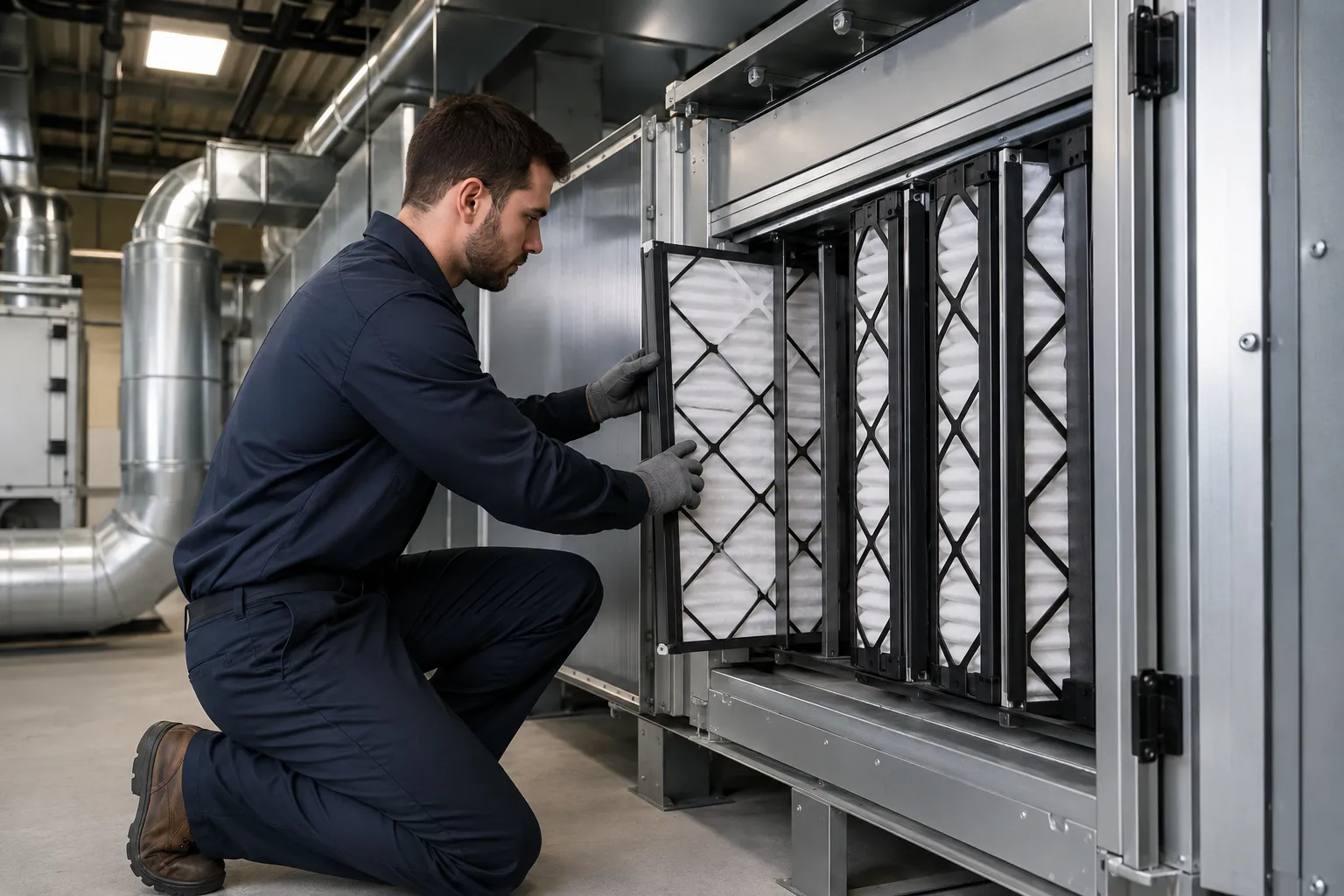
In commercial buildings, MERV 13 is often the first serious upgrade target, provided the system can handle it. Facility managers should inspect filter racks for bypass gaps, confirm pressure drop, and verify that outdoor air and total airflow remain adequate after the upgrade.
Filtration should be paired with ventilation, maintenance, and source control. Dusty return grilles, overloaded filters, and poorly sealed frames can undermine even high-rated media.
Healthcare Air Quality
Healthcare Air Quality requires a layered approach. Patient rooms, waiting areas, procedure rooms, isolation rooms, and operating suites may all need different filtration and airflow strategies. HEPA filtration can be used in portable units, negative-pressure setups, ceiling modules, or dedicated air handling systems.
The filter choice must align with infection control goals, pressure relationships, air changes per hour, maintenance access, and verification testing. In healthcare, installation quality is as important as filter label.
Pharmaceutical and Cleanroom Applications
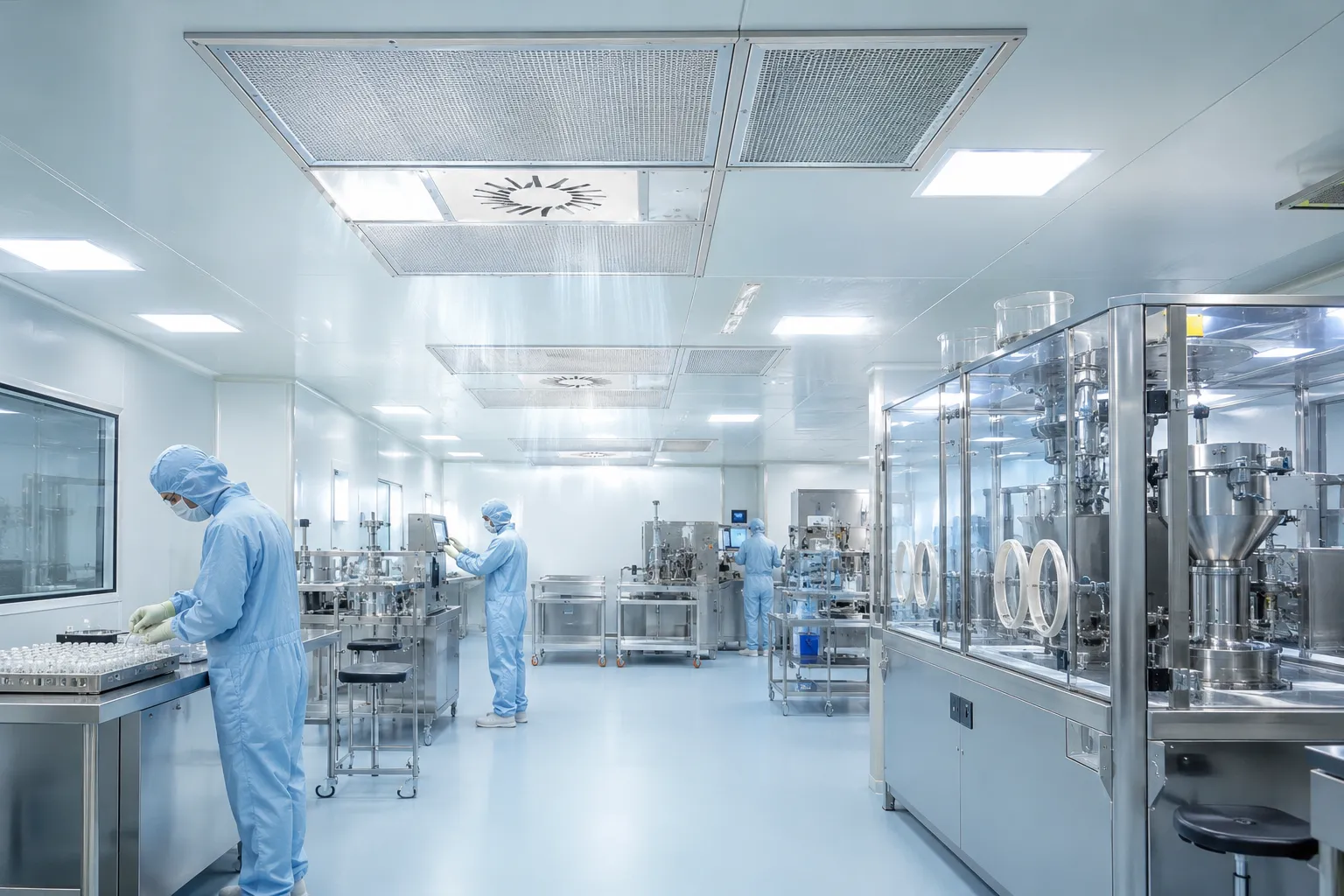
Designing HVAC Systems for Pharmaceutical facilities requires much stricter control than ordinary comfort HVAC. Cleanrooms may require HEPA or ULPA terminal filters, controlled airflow patterns, pressure cascades, temperature and humidity stability, and validated performance.
Cleanroom air filters are not chosen only by efficiency. Engineers also evaluate leakage testing, filter integrity, face velocity, room classification, recovery time, contamination sources, and process sensitivity. A small bypass leak around a filter can matter as much as the filter grade itself.
Common Mistakes When Selecting Air Filters
The most common mistake is assuming that higher efficiency always means healthier air. In reality, filtration performance depends on the whole system.
A few problems appear again and again:
- Installing a high-MERV filter in a weak HVAC system without checking pressure drop
- Buying a “HEPA-like” or “HEPA-type” product without verified performance data
- Using carbon filters for particles instead of gases
- Ignoring filter bypass around the frame
- Replacing filters too late
- Choosing a portable air cleaner without checking CADR
- Using advanced electronic devices without checking ozone emissions
- Treating filtration as a replacement for ventilation and source control
Good air filtration is boring in the best possible way: the filter fits tightly, airflow remains stable, pressure is monitored, and replacement happens before performance drops.
A Practical Selection Framework
Start with the contaminant. Dust, pollen, smoke, aerosols, odors, solvents, and cleanroom particles do not all require the same filter.
Then check the space. A bedroom, pharmacy compounding area, classroom, hospital room, laboratory, and semiconductor cleanroom all have different consequences if filtration fails.
Next, check the system. Filter depth, rack condition, fan capacity, duct design, existing static pressure, and maintenance access determine what is realistic.
Finally, confirm performance with data. Look for recognized standards, CADR for portable units, MERV for HVAC filters, HEPA or ULPA classification for high-efficiency systems, and pressure drop data at the intended airflow.
For many normal buildings, the best answer is not ULPA. It may be a well-sealed MERV 13 filter, better outdoor air management, targeted portable HEPA units, and a maintenance plan that building staff can actually follow.
The Clear-Air Decision
The right filter is the one that removes the target contaminant at the required efficiency while preserving airflow, comfort, safety, and maintainability. HEPA filter efficiency matters when fine particles are the main concern. ULPA filter efficiency matters when tiny particle contamination can damage products, experiments, or patients. MERV rating matters when upgrading central HVAC filtration. Carbon matters when gases and odors are part of the problem.
Choosing the right air filter becomes much simpler when the decision starts with the space, not the product label. A balanced filtration strategy protects people, processes, and equipment without overloading the HVAC system that has to keep the air moving every day.