

Articles
HVAC Retrofit: Upgrading Older Systems to Save Energy

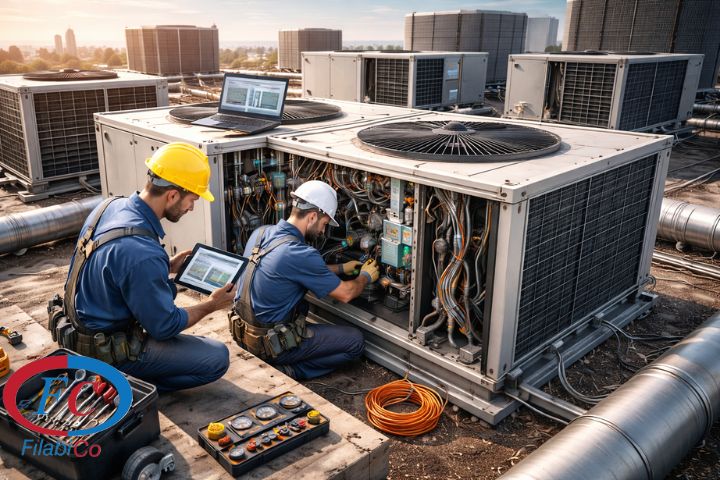
An effective HVAC retrofit is one of the fastest and most cost-effective ways to reduce energy consumption, improve comfort, and extend the life of existing buildings. Instead of replacing an entire system, retrofitting focuses on targeted upgrades—controls, components, and operational strategies—that deliver measurable performance gains without the disruption and capital cost of a full replacement.
Snapshot: What an HVAC Retrofit Delivers
| Retrofit focus area | Typical upgrade approach | Practical benefit |
|---|---|---|
| Controls & automation | Smart controllers, sensors, scheduling | Immediate energy savings, better comfort |
| Airflow & balancing | Dampers, VAV boxes, re-commissioning | Stable temperatures, fewer complaints |
| Mechanical components | Fans, pumps, heat exchangers | Higher efficiency, lower maintenance |
| Indoor air quality | Filtration, ventilation tuning | Improved Healthcare Air Quality |
| System reliability | Preventive upgrades and diagnostics | Reduced breakdowns and downtime |
What HVAC retrofit really means
An HVAC retrofit is not a cosmetic upgrade. It is a strategic intervention that improves how an existing system performs under real operating conditions. In many older commercial buildings, HVAC systems still function—but inefficiently. They consume more energy than necessary, struggle to maintain comfort, and require frequent service calls.
Industry guidance defines retrofit clearly. According to Belimo website:
“An HVAC retrofit is the process of modifying or upgrading an existing HVAC system to improve efficiency, performance, or functionality.”
This definition highlights an important point: retrofit is about performance improvement, not just age.
Why retrofit is often better than replacement
For many facilities, especially large or occupied buildings, full system replacement is expensive, disruptive, and sometimes unnecessary. Retrofit strategies allow owners to address the biggest performance gaps first.
The U.S. Department of Energy emphasizes that HVAC retrofits can deliver significant energy savings when upgrades are carefully selected and properly implemented. According to the energy.gov:
“HVAC retrofits can significantly reduce building energy use by improving system efficiency, controls, and operation.”
In practice, this means owners can often achieve 15–40% energy savings without removing the entire HVAC infrastructure.
Identifying retrofit opportunities in older systems
Before choosing specific upgrades, it is essential to understand how the existing system actually operates. Many buildings suffer from performance drift rather than fundamental design flaws.
Common indicators that a retrofit is needed include:
- Rising energy bills with no change in occupancy or usage
- Frequent comfort complaints in specific zones
- Repeated HVAC troubleshooting for similar faults
- Equipment running continuously at full speed
These symptoms often point to control and airflow issues rather than major mechanical failure.
Controls and automation: the highest-impact retrofit
In most older buildings, the single most effective HVAC retrofit is upgrading controls. Legacy systems often rely on static schedules and manual adjustments, which cannot respond to changing loads.
Modern control retrofits typically include:
- Programmable thermostats or zone controllers
- Variable-speed control of fans and pumps
- Sensors for temperature, pressure, and occupancy
These upgrades allow the system to deliver only the heating or cooling that is actually needed, when it is needed.
Control retrofits are especially valuable in commercial HVAC Oman projects, where long cooling seasons and high ambient temperatures magnify the cost of inefficient operation.
Mechanical retrofits that deliver lasting value
While controls are often the first step, mechanical upgrades can further improve system efficiency and reliability. These upgrades usually target components that run for long hours or experience high wear.
Typical mechanical retrofit actions include:
- Replacing constant-speed motors with variable-speed drives
- Upgrading inefficient fans or pumps
- Improving heat-transfer surfaces through cleaning or replacement
When combined with good controls, these upgrades reduce electrical demand and extend equipment life.
Air quality and retrofit strategy
Older HVAC systems were not designed with today’s air-quality expectations in mind. Retrofitting provides an opportunity to improve indoor environments without rebuilding the entire system.
Improved filtration, better airflow distribution, and optimized ventilation rates can significantly enhance Healthcare Air Quality and general indoor conditions. This is particularly important in clinics, hospitals, and office buildings where occupant health and productivity are priorities.
Air-quality improvements achieved through retrofit often include:
- Higher-efficiency filters compatible with existing fans
- Better control of outdoor air intake
- Balanced airflow to eliminate stagnant zones
These upgrades align energy efficiency with occupant wellbeing rather than treating them as competing goals.
Retrofit considerations in extreme climates
In regions with harsh environmental conditions, retrofit decisions must reflect climate reality. Extreme climate HVAC systems face continuous stress, whether from intense heat, dust, or humidity.
In hot climates, retrofit strategies often focus on:
- Reducing heat gain through improved airflow control
- Protecting coils and filters from dust and fouling
- Adjusting control logic for extended peak operation
These measures improve performance without oversizing equipment or increasing energy use.
Maintenance and retrofit go hand in hand
An HVAC retrofit will not succeed without appropriate HVAC maintenance. Upgraded systems require updated maintenance practices to preserve their benefits.
After retrofit, maintenance programs should be adjusted to include:
- Regular verification of control settings and sensors
- Monitoring variable-speed equipment performance
- Periodic re-commissioning to address drift
This ensures that retrofit gains are sustained year after year rather than fading after initial commissioning.
Retrofit vs replacement: how to decide
Choosing between retrofit and replacement depends on technical condition, budget, and long-term plans. A structured assessment helps avoid emotional or purely age-based decisions.
A retrofit is usually the right choice when:
- Core mechanical equipment is structurally sound
- Performance issues are linked to controls or airflow
- Capital budgets are limited or phased
Replacement becomes necessary when equipment is obsolete, unsafe, or incapable of meeting current load requirements even with upgrades.
Building a successful retrofit roadmap
A successful HVAC retrofit is rarely a single action. It is a sequence of improvements guided by data and operational priorities.
A practical roadmap often includes:
- Energy and performance assessment
- Control and airflow upgrades
- Targeted mechanical improvements
- Updated maintenance and monitoring strategy
This phased approach reduces risk and allows savings from early steps to fund later improvements.
Long-term value of HVAC retrofit
Beyond energy savings, HVAC retrofit improves building resilience, occupant satisfaction, and asset value. Buildings with upgraded systems are easier to operate, easier to maintain, and better aligned with modern efficiency expectations.
When executed correctly, an HVAC retrofit transforms aging systems into high-performing assets—without the cost and disruption of full replacement.