


Articles
HVAC Maintenance Companies in Qatar: Facility Guide

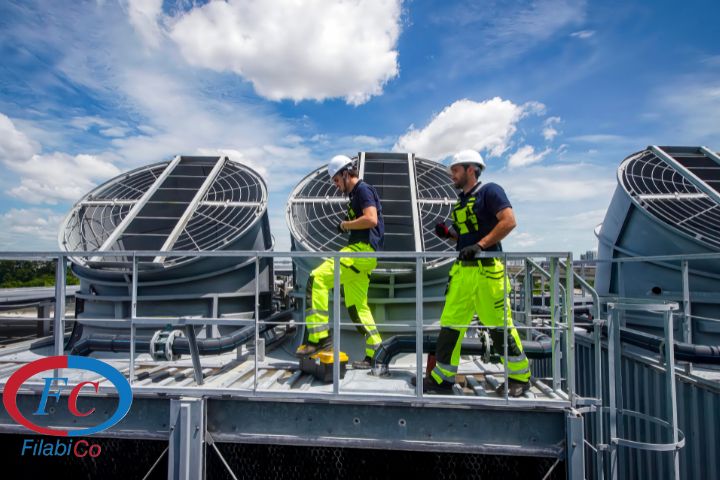
If you’re evaluating hvac maintenance companies in qatar, the safest choice is a provider that can keep cooling stable through dust, humidity, and long run-hours with documented inspections, coil/drain care, and clear reporting—not just emergency repairs.
| What to check in Qatar | What strong providers deliver | Why it matters |
|---|---|---|
| Preventive maintenance cadence | Monthly/quarterly site visits based on load and dust | Fewer breakdowns during peak heat |
| Coil + filter strategy | Measured filter loading, planned coil cleaning | Lower kWh and better cooling capacity |
| Condensate reliability | Drain-line clearing, pan inspections, anti-biofilm steps | Fewer leaks, odors, and shutdowns |
| Controls & calibration | Setpoints, sensors, schedules, valve/damper checks | Stops comfort drift and short cycling |
| Critical spares readiness | Contactors, capacitors, belts, sensors, motors | Faster recovery, less downtime |
| Reporting & accountability | Checklists, readings, findings, next actions | Transparent performance over time |
Why HVAC maintenance in Qatar needs a “climate-first” mindset
Qatar’s HVAC systems operate in conditions that punish small mistakes: heavy cooling seasons, frequent dust, and coastal humidity in many areas. A unit may still “run” while quietly losing performance—filters choke, coils foul, and dehumidification weakens. Over weeks, that turns into higher energy use, longer runtimes, comfort complaints, and avoidable component wear.
This is why maintenance providers in Qatar are often judged by how well they handle three realities:
-
Airborne dust that loads filters and blocks coils faster than typical schedules assume
-
Humidity that magnifies condensate problems and indoor air quality complaints
-
Long operating hours that shorten the time between “minor” issues and costly failures
In other words, Qatar operates much closer to extreme climate HVAC conditions than many owners expect, even when the building itself looks modern.

What HVAC maintenance actually includes (and what it should include)
A common mistake is assuming “servicing” is a quick clean and refrigerant check. True maintenance is broader: inspection, cleaning, calibration, and performance verification. According to Foster International:
“HVAC (Heating, Ventilation, and Air Conditioning) service refers to the maintenance, repair, and installation of heating and cooling systems that regulate indoor temperatures and air quality.”
That definition matters because it frames maintenance as part of a wider system responsibility: not only fixing faults, but protecting performance and indoor conditions.
What good maintenance looks like in practice
A serious maintenance company in Qatar typically builds its service around recurring, measurable tasks. Before listing tasks, it helps to understand the goal: maintain heat transfer, airflow, and control accuracy—because those three pillars govern comfort and efficiency.
A typical high-quality visit (scope varies by system type) will focus on:
-
Filters, coil condition, and airflow pathways
-
Electrical reliability checks and control verification
-
Condensate drainage integrity and hygiene
-
Basic performance signs (temperature split, cycling behavior, abnormal noises)
This is also where maintenance and HVAC troubleshooting intersect. The better the maintenance documentation, the faster the diagnosis when something does go wrong.
What to look for when choosing HVAC maintenance companies in Qatar
Selecting a provider becomes easier when you judge them on repeatability and transparency. You’re not just buying a visit—you’re buying a process.
Before using a checklist, you’ll get better answers if you ask the vendor to describe how they work on a real site, then request proof: sample reports, readings, and what happens when a fault recurs.
Key selection criteria:
-
Do they provide a written checklist report after each visit (not just a verbal “all good”)?
-
Do they tailor frequency to your environment and operating hours, rather than using one standard interval?
-
Can they explain how they handle coil cleaning without damaging fins or coatings?
-
Do they include condensate drain work as a core line item?
-
Do they keep service history so recurring faults are tracked and resolved properly?
If you manage a portfolio across the region, you may also compare providers you’ve used elsewhere—such as hvac contractors in oman or other oman hvac companies—to standardize reporting, spare parts, and maintenance expectations. That consistency makes performance comparisons possible across sites.
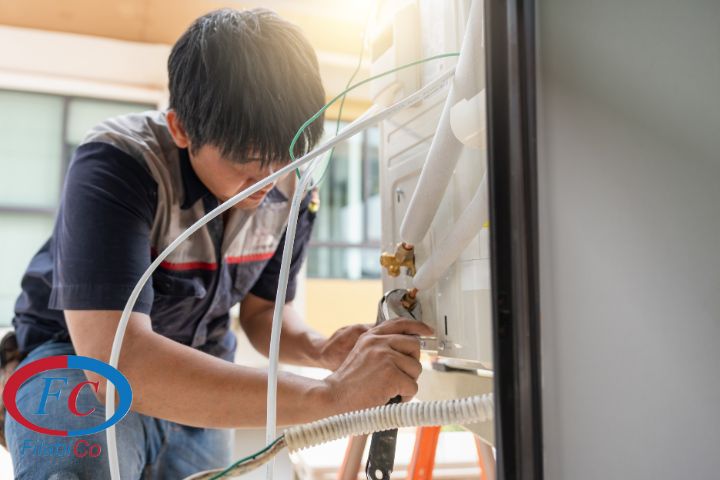
Turning “Air Conditioner Service in My Area” into a real plan
Many facility teams start with a simple search like Air Conditioner Service in My Area when a unit struggles. In Qatar, that reactive approach becomes expensive during peak season, because emergency requests stack up and urgent jobs cost more.
A better approach is to build a maintenance calendar around risk:
-
Pre-summer tune-up for performance stability before load spikes
-
Mid-summer verification visits focused on coil condition, drains, and electrical hotspots
-
Post-summer inspection to catch wear and plan repairs before the next cycle
This turns maintenance into cost control rather than crisis response.
Commercial maintenance in Qatar: what changes at scale
For malls, offices, warehouses, and mixed-use buildings, maintenance must account for more complex systems: chilled-water plants, AHUs, VAV boxes, rooftop packages, or VRF. The consequence of downtime is higher, and the “hidden” losses from poor calibration are larger.
In commercial settings, strong maintenance companies will typically emphasize:
-
Controls and sensor calibration (a major driver of wasted energy)
-
Air balancing and pressure relationships (especially for sensitive areas)
-
Preventive electrical checks (terminals, contactors, capacitors, insulation integrity)
-
Rotating equipment health (fan vibration, pump behavior, bearing noise)
This is also where contract structure matters. If the contract only covers “basic servicing,” you often pay more later in reactive repairs. If it includes defined inspections, cleaning methods, and reporting, performance tends to hold longer.
Indoor air quality and occupant comfort
Dust and humidity affect more than equipment—they affect people. Poor filtration, dirty coils, and unstable ventilation can trigger complaints that look like “cooling problems,” but are really air quality problems: odors, stale air, and discomfort even when the temperature is technically “cold enough.”
A capable maintenance provider will connect comfort complaints to system realities:
-
Filter loading and bypass issues
-
Coil cleanliness and microbial growth risk
-
Ventilation rates and control drift
-
Drain pan hygiene and condensate management
When these are treated seriously, buildings feel better and complaints drop.
A simple way to compare vendors without getting stuck
If multiple vendors sound similar, use a short decision process. It reduces subjectivity and keeps selection aligned to measurable outcomes.
-
Ask each vendor for a sample maintenance checklist report from a similar building type.
-
Confirm frequency and scope (what is included per visit, and what counts as extra).
-
Request their coil cleaning and drain management method in writing.
-
Ask how recurring faults are tracked and escalated.
-
Choose the provider that offers the clearest process, documentation, and accountability.
This approach works whether you’re selecting a contractor for a single site in Doha or managing multiple facilities across Qatar.
Closing perspective
The best hvac maintenance companies in qatar operate like reliability partners: they prevent efficiency drift, keep drains and coils clean, verify controls, and document everything so problems don’t repeat. In Qatar’s demanding environment, that discipline is what protects comfort, reduces energy waste, and keeps your HVAC assets running longer.