

Articles
Chiller Evaporator Protection in the Middle East: Seasonal Outdoor Care

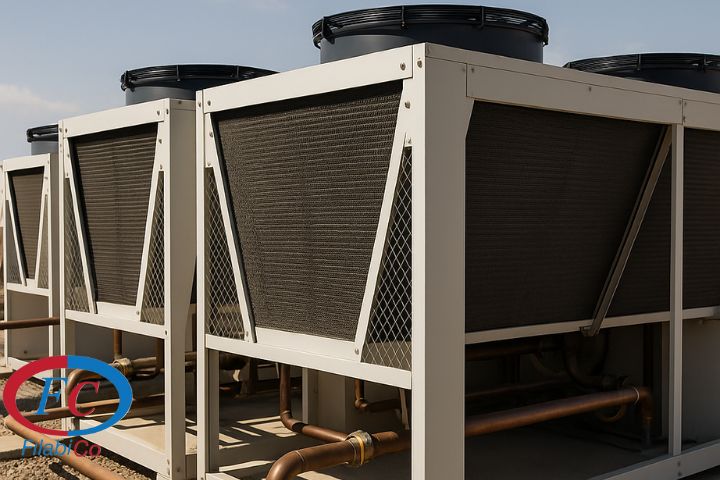
If your chillers sit outside in the harsh Middle East climate, chiller evaporator protection is not optional—it is the difference between reliable cooling and costly seasonal failures.
Why Outdoor Chiller Evaporator Protection Matters
| Focus area | Middle East challenge (sand, sun, cold) | Protection outcome |
|---|---|---|
| Airflow & filtration | Dust, sand and debris clog fins and filters | Stable capacity and lower fan energy |
| Coil surface protection | Corrosive coastal air and UV exposure | Longer coil life, fewer leaks |
| Freeze and low-ambient risks | Cold nights, off-season operation, low load conditions | No frozen tubes, fewer nuisance trips |
| Seasonal HVAC care | Large temperature swings between summer and winter | Smooth transitions, less stress on piping |
| Planned maintenance | Heavy run hours and outdoor exposure all year | Predictable reliability and life-cycle cost |
Why outdoor chiller evaporators are so vulnerable
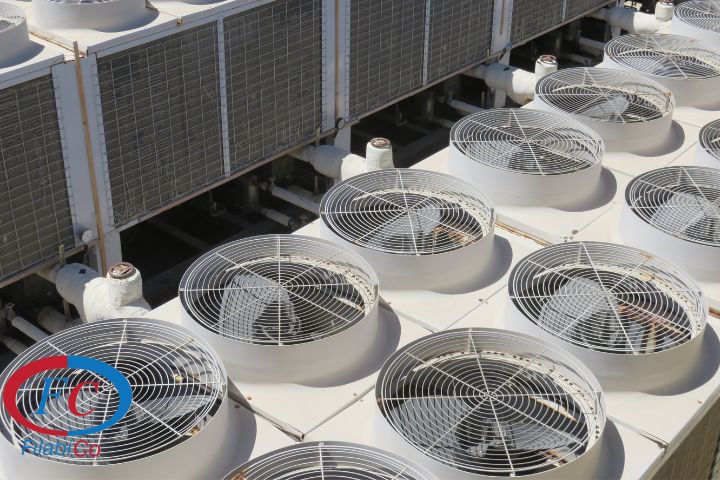
In the Middle East, outdoor chillers face a three-way attack: high temperatures, airborne sand and dust, and occasional cold nights in the shoulder seasons. Evaporator coils on air-cooled chillers are especially exposed. Dust and sand block airflow, while contaminants mix with moisture to form a sticky layer that insulates the fins. Over time, UV radiation and corrosive coastal air can damage coil surfaces, increase refrigerant leaks and drive up energy use.
From a reliability standpoint, neglecting outdoor chiller maintenance means:
- Higher condensing and evaporating temperatures, which raise compressor workload
- More frequent trips on safety controls during peak conditions
- Shortened compressor and fan motor life
Good chiller evaporator protection focuses on keeping coils clean, protected and well controlled through all seasons, not just during the hottest months.
Core elements of chiller evaporator protection
Effective protection starts with understanding the risks and building them into your maintenance and design strategy. Rather than thinking of evaporators as passive components, treat them as critical assets that need ongoing care.
First, address contamination. In dusty environments, standard factory filters are often not enough. Pre-filters, filter media upgrades and well-designed air inlets help stop sand and debris before they reach the coil. Coil cleaning should be planned, not reactive, using approved methods that avoid bending fins or leaving chemical residue.
Second, consider protective coatings. High-quality coil coatings can provide an extra barrier against corrosion, especially in coastal cities where salty air and humidity attack bare metals. The right coating improves durability without significantly reducing heat transfer when applied correctly.
Third, make sure your control strategy supports seasonal HVAC care. Low-ambient controls, fan speed modulation and minimum load strategies prevent evaporators from operating in conditions that could lead to freezing or oil return problems during cooler nights.
Specialists in industrial chiller systems emphasize that protection is not a single device but a framework of safety features. According to LNEYA website:
“What are the common protections for industrial chiller systems? High-pressure protection: High-pressure protection is to detect whether the refrigerant pressure…”
This website provides a detailed overview of how high-pressure, low-pressure, flow and temperature protections work together in a modern chiller system. While that discussion focuses on the whole refrigeration circuit, the same mindset applies specifically to evaporators: combine mechanical design, controls and maintenance to keep them operating within safe limits.
How to protect outdoor chiller evaporators during the cold season
In many Middle East locations, daytime temperatures stay mild even in winter, but night-time and early-morning conditions can fall low enough to create freezing risk at the evaporator, especially when loads are small.
Before using a chiller in cooler weather, think through these steps as part of your seasonal HVAC care plan:
- Review setpoints and control logic so that evaporator pressure and temperature stay above freezing, even when only a few loads are calling. This can include minimum flow strategies, bypass valves or low-load staging.
- Confirm that glycol concentration (if used) is appropriate for the lowest expected ambient temperature, balancing freeze protection and pumping energy.
- Test low-ambient and freeze-stat controls ahead of the season, so they trip only when necessary and not because of faulty sensors or wiring.
By following this approach, you address how to protect outdoor chiller evaporators during the cold season without over-engineering or unnecessarily reducing efficiency.
At the same time, remember that Energy-Efficient Chillers are designed to operate over a wide range of conditions. Protecting evaporators properly allows these high-efficiency machines to deliver their promised performance rather than being derated or sidelined during part of the year.
Practical outdoor chiller maintenance routines
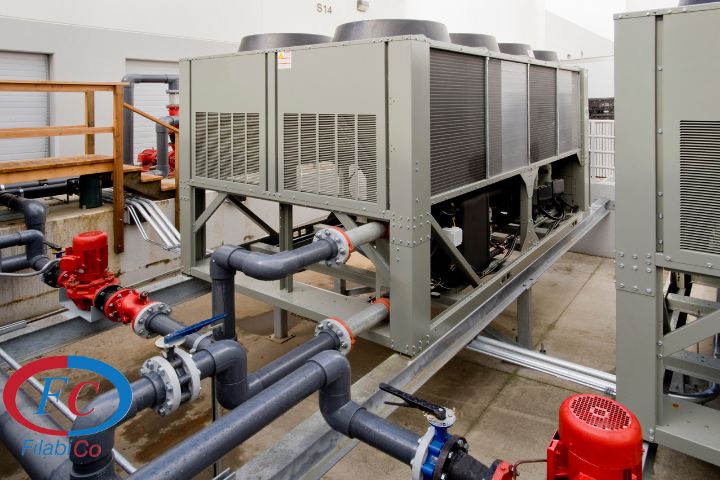
Chiller evaporator protection becomes much easier when it is embedded into a structured outdoor chiller maintenance routine. Instead of waiting for alarms, you plan tasks around actual risks.
A practical routine for a Middle East site often includes:
- Monthly visual inspections to check coil cleanliness, fan operation, drain conditions and any obvious damage from wind-blown debris or hail.
- Quarterly coil cleaning and filter replacement aligned with local dust patterns, using correct procedures and tools to avoid fin damage.
- Seasonal controls check before the hottest and coolest periods, confirming that safety devices, pressure switches and temperature sensors are responding correctly.
Manufacturers and engineering firms alike stress that strong protection schemes combine mechanical safeguards with regular checks and adjustments. This is particularly important outdoors, where weather, construction dust and changing surroundings can quickly invalidate original assumptions.
Choosing the right partner for chiller evaporator protection
Protecting outdoor evaporators is not only a maintenance issue; it is a design and operations challenge that benefits from an engineering-led approach. For complex facilities, industrial sites and large commercial developments, the best results come when consultants, maintenance teams and suppliers work from the same playbook.
An experienced HVAC specialist can help you:
- Audit your existing chillers and evaporator coils for current risk points
- Recommend upgrades such as coil coatings, improved filtration or revised control logic
- Create a seasonal maintenance plan that fits your operating hours and critical loads
In Oman and across the GCC, engineering-driven companies like Filabico focus on exactly this kind of lifecycle thinking—linking system design, field conditions and maintenance practices so outdoor chillers stay reliable through sandstorms, peak summer heat and unexpected cold snaps.
When you treat evaporator protection as a continuous process rather than a one-time add-on, your chillers maintain capacity, consume less energy and deliver the resilience that modern buildings demand.