


Articles
Healthcare Air Quality: Meeting Standards in Facilities

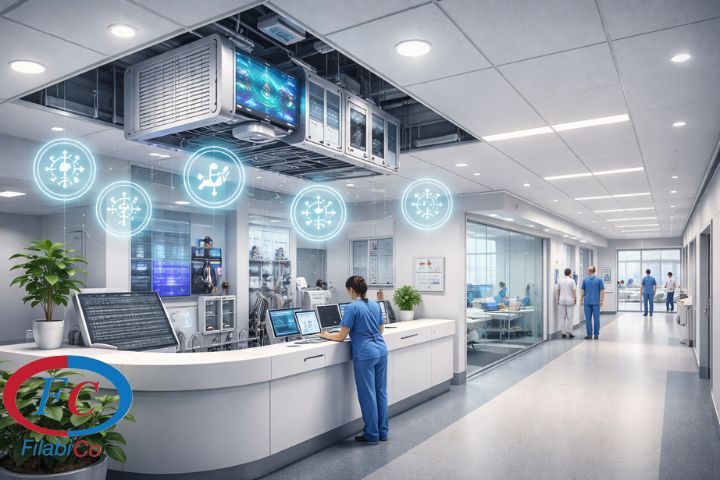
Ensuring optimal healthcare air quality is one of the most critical responsibilities in modern medical environments. Hospitals, clinics, and other healthcare facilities house vulnerable populations—patients with compromised immune systems, neonates, and individuals with respiratory conditions. Maintaining air quality not only prevents infection spread but also improves overall patient outcomes, staff wellbeing, and regulatory compliance. This article provides a comprehensive guide on standards, practices, and technological strategies to maintain superior indoor air in healthcare settings.
Healthcare Air Quality: Key Standards and Practices
| Component / Practice | Recommended Approach | Expected Impact |
|---|---|---|
| Ventilation (ACH) | 20+ ACH in ORs, 6–12 ACH in patient areas | Reduces airborne pathogen concentration |
| Filtration | HEPA for critical areas, multi-stage in wards | Removes ≥99.97% of particles ≥0.3 μm |
| Pressure Control | Positive for immunocompromised, negative for isolation | Prevents contamination spread |
| Humidity | Maintain 40–60% RH | Limits microbial growth and improves comfort |
| Air Monitoring | Continuous PM2.5, CO2, VOC, and temperature sensing | Ensures compliance and early detection |
| UV-C & Germicidal Measures | In-duct and upper-room UV-C in high-risk zones | Reduces bacterial/viral load |
| Maintenance & Inspections | Preventive HVAC maintenance, filter changes, sensor calibration | Sustains performance and prolongs system life |
Why Healthcare Air Quality Matters
Poor indoor air quality (IAQ) in healthcare facilities is linked to increased risk of hospital-acquired infections, aggravated respiratory illnesses, and reduced staff performance. Studies from the World Health Organization highlight the profound health impacts of airborne pollutants:
“Exposure to indoor and outdoor air pollutants is associated with adverse health effects, including respiratory and cardiovascular diseases, which can be exacerbated in healthcare environments.”
Airborne contaminants in healthcare facilities include:
- Particulate matter (PM2.5 and PM10) from external sources and internal activities
- Bioaerosols including bacteria, viruses, and fungi
- Volatile organic compounds (VOCs) emitted from disinfectants, cleaning agents, and building materials
- Combustion-related gases such as nitrogen dioxide and carbon monoxide
Failure to manage these elements can compromise both patient safety and operational efficiency.
Regulatory and Standard Frameworks
Healthcare facilities must adhere to stringent air-quality guidelines. Key standards include:
- ASHRAE Standard 170 – Ventilation for Healthcare Facilities
- CDC Guidelines – Infection Control and Ventilation
- WHO Indoor Air Quality Guidelines – Recommendations on PM, bioaerosols, and chemical exposures
Meeting these standards requires both system design and operational protocols. Ventilation rates, filtration efficiency, humidity control, and pressure differentials are all critical parameters.
Core Principles of Air Quality Management
1. Filtration and Particulate Control
High-efficiency particulate air (HEPA) filters are essential in critical areas such as operating rooms, isolation rooms, and intensive care units. HEPA filtration removes >99.97% of particles ≥0.3 μm. Multi-stage filtration in general wards helps reduce pathogen and dust load without excessive energy consumption.
2. Ventilation and Airflow Design
Proper airflow patterns prevent contamination spread. Negative pressure rooms isolate infectious patients, while positive pressure protects immunocompromised patients. The number of air changes per hour (ACH) is carefully regulated, with operating rooms typically requiring 20+ ACH and general patient areas around 6–12 ACH.
3. Humidity and Temperature Control
Relative humidity maintained between 40–60% limits microbial growth and enhances comfort. Extremes of humidity can increase pathogen survival or compromise medical equipment.
4. Monitoring and Automation
Continuous monitoring of particulate levels, VOCs, CO2, and temperature ensures compliance and early detection of issues. Smart HVAC and IoT systems allow automated adjustments in real-time.
Engineering Solutions for Superior Healthcare Air Quality
Modern healthcare facilities integrate mechanical, chemical, and design strategies to maintain high-quality air.
HVAC Design Considerations:
- Zoned Ventilation: Independent control for critical zones ensures tailored air quality.
- Energy Recovery Ventilators: Reduce energy use while maintaining fresh air supply.
- Advanced Filtration: HEPA combined with activated carbon for VOC control.
UV-C and Germicidal Solutions:
- In-duct UV-C systems in HVAC units can reduce bacterial and viral load.
- Upper-room UV-C installations in high-risk areas complement filtration.
Maintenance and Inspection:
- Preventive HVAC maintenance is essential to ensure filters, coils, and fans operate optimally.
- Sensor calibration and periodic microbial testing verify IAQ standards are being met.
According to the National Institute of Environmental Health Sciences (NIEHS):
“Regular monitoring of air pollutants and targeted filtration strategies are critical in healthcare environments to protect patients and staff from exposure to harmful airborne agents.”
Infection Control Through Air Quality
Airborne transmission plays a significant role in healthcare-associated infections (HAIs). Isolation rooms, surgical theaters, and ICUs require rigorous airflow management. Negative pressure prevents contaminants from spreading to other areas, while proper filtration and ventilation reduce viral and bacterial load. Incorporating smart HVAC IoT allows real-time adjustment of airflow and pressure differentials based on occupancy and risk levels.
Filabico’s Role in Healthcare Air Quality
Organizations such as Filabico specialize in designing healthcare-ready HVAC systems, ensuring compliance with international standards while optimizing energy efficiency. Their approach integrates:
- Smart monitoring and control for predictive maintenance
- Modular solutions for scalable facilities
- Filtration and airflow strategies tailored to GCC climates
By embedding these design principles, hospitals in Oman and the wider Middle East can meet rigorous air-quality standards without compromising operational efficiency or patient comfort.
Energy Efficiency and Sustainability
Maintaining high air-quality standards need not conflict with energy efficiency. Green HVAC Design principles applied to healthcare facilities reduce electricity consumption while ensuring safe indoor environments. Examples include:
- Demand-controlled ventilation based on occupancy sensors
- Heat recovery systems to precondition incoming fresh air
- Variable speed fans to adjust airflow dynamically
Case Study: Implementing Air-Quality Protocols
Consider a mid-size hospital implementing a comprehensive air-quality strategy:
- 100% fresh air supply to critical areas
- HEPA filtration in surgical suites
- UV-C sterilization in HVAC ducts
- Continuous CO2 and PM2.5 monitoring
Within months, airborne particulate counts dropped below threshold, infection rates decreased, and energy consumption improved due to demand-based ventilation adjustments.
Common Challenges
Healthcare facilities face unique challenges:
- High occupancy with dynamic load fluctuations
- Seasonal variations in temperature and dust in GCC climates
- Integration of new technologies with legacy HVAC systems
- Maintenance scheduling without disrupting patient care
Addressing these requires strategic planning, trained staff, and robust system design.
Best Practices Summary
- Prioritize high-efficiency filtration and proper ventilation zoning
- Monitor indoor air continuously using sensors and smart controls
- Maintain relative humidity between 40–60%
- Implement UV-C sterilization where appropriate
- Schedule regular preventive HVAC maintenance
- Design for both compliance and energy efficiency
Emerging Trends
- IoT-enabled HVAC solutions for real-time monitoring
- AI-assisted predictive maintenance to prevent IAQ deviations
- Integration of renewable energy sources with ventilation systems
- Dynamic pressure control for adaptive infection management
These trends ensure healthcare facilities remain compliant, safe, and energy-efficient while improving patient and staff experience.
Conclusion
Maintaining healthcare air quality is essential for patient safety, staff wellbeing, and regulatory compliance. By combining advanced HVAC design, smart monitoring, filtration, UV-C sterilization, and ongoing maintenance, healthcare facilities can meet stringent air-quality standards even in challenging environments. Incorporating these practices ensures safer, healthier spaces while supporting sustainable building operation.